
IEIR2026

Keynotes

The 5th International Conference on Intelligent Education and Intelligent Research

IEIR2026 Keynotes

Keynote Speaker & Abstract

Complete speaker biography and keynote information.

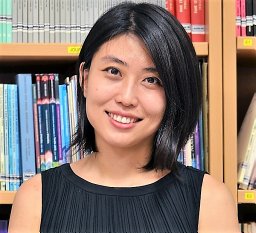
Dr. SUN He

Keynote Speaker

Dr. SUN He

Associate Professor, National Institute of Education, Nanyang Technological University, Singapore

ResearchGate

Biography

Dr. SUN He is an Associate Professor at the National Institute of Education, Nanyang Technological University, Singapore. Her major interests are: (1) child bilingualism and ICT (e.g., eBooks and AI); (2) individual differences in early bilingualism and second/foreign language acquisition; and (3) harmonious bilingual experience.

Her work has appeared in leading journals such as Bilingualism: Language and Cognition, Child Development, Educational Psychology Review, International Journal of Bilingual Education and Bilingualism, and Studies in Second Language Acquisition, and has been featured by media including The Straits Times and CNA. She is an Associate Editor of the Journal of Child Language and AI, Brain, and Child, a Consulting Editor of Child Development, and an Executive Committee Member of the International Association for the Study of Child Language.

Keynote Address

Dual Scaffolds, Shared Goals: AI and Caregiver Roles in Children's Second Language

Abstract

Artificial intelligence is reshaping how young children acquire language—at home and in classrooms. This keynote synthesizes evidence from meta-analytic, scoping review, and theoretical research to examine what AI can and cannot do for children's second language development, and what this means for children, parents, and teachers.

Research confirms that AI-based interventions significantly improve children's second language speaking, particularly through personalized, conversational feedback difficult to achieve in typical classrooms. Yet effectiveness data alone cannot guide practice. The more consequential question is how AI works alongside the humans children depend on. Drawing on the Dual Scaffolding Framework, this talk argues that children's language outcomes are shaped by the relationship between AI and human scaffolding—coordinated, redundant, or competing. For parents and teachers, this means reimagining their role as essential co-scaffolders whose engagement determines whether technology truly serves children's language growth.
Professor Li Yuan

Keynote Speaker

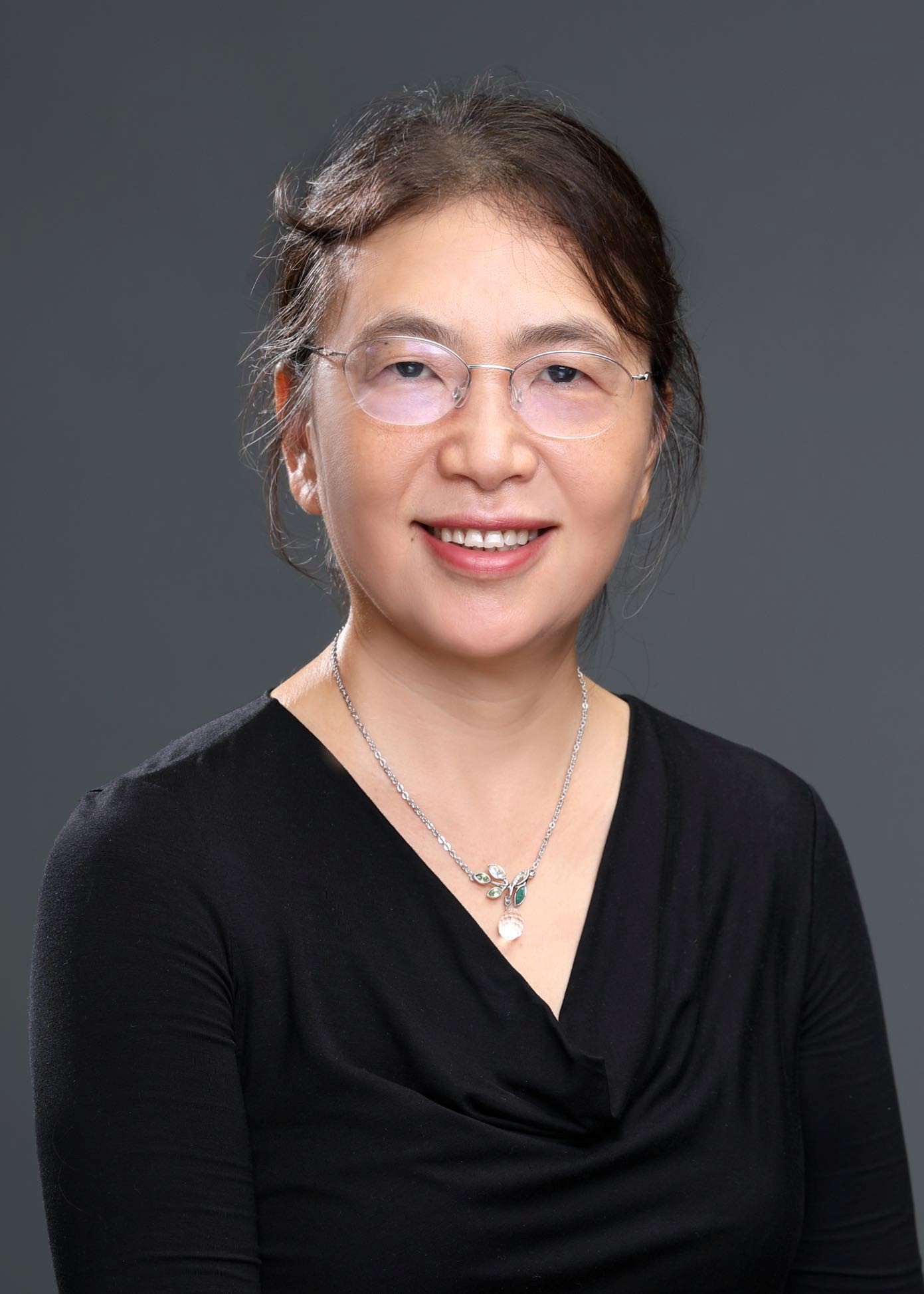
Professor Li Yuan

Director, Centre for Connective Intelligence in Education, College of Education for the Future, Beijing Normal University

Biography

Professor Li Yuan is the Director of the Centre for Connective Intelligence in Education at the College of Education for the Future, Beijing Normal University. She is also a Senior Researcher in the AI Innovate Lab at the Digital Education Future Initiative (DEFI), University of Cambridge.

For the last 20 years, Professor Yuan has worked in the UK, including at Cetis (a National Innovation Support Centre for UK Higher Education), the University of Cambridge, and Queen's University Belfast, researching and investigating the impact of technology in education and supporting innovative uses of digital technology in teaching and learning. She has led and contributed to a number of large technology-enhanced learning and educational futures projects in Europe, including TEL-Map, LACE, and RAGE. Her main research interests include AI literacy for teachers; AI-supported dialogic education and collective intelligence; learning analytics and educational assessment; and MOOCs and online/blended learning.

Keynote Address

From Personalized Learning to Collective Intelligence: A New Agenda for AI in Education

Abstract

Artificial Intelligence (AI) promises to transform education through intelligent tutoring systems, learning analytics, and generative AI. Yet, despite these advances, most AI applications remain focused on improving individual learning. At the same time, many of today's global challenges—from climate change to scientific discovery—require people to think, learn, and innovate collectively. This raises a fundamental question: How can AI support not only individual intelligence, but also collective intelligence?

This presentation argues that the next frontier of AI in education is a shift from personalized learning to education for collective intelligence. Rather than viewing AI simply as a tutor or productivity tool, education should begin to position AI as a collaborative partner that supports dialogue, knowledge building, and collective problem solving. Collective intelligence does not emerge automatically from connecting people and AI; it develops through meaningful dialogue, shared reasoning, and the co-construction of knowledge.

Drawing on recent research in Artificial Intelligence in Education (AIED), the presentation introduces a framework illustrating how AI can support collective intelligence by facilitating group formation, collaborative dialogue, and learning orchestration. It further explores the emergence of Human–AI Teamwork, arguing that education must prepare learners and teachers to work effectively in hybrid human–AI teams. This requires moving beyond AI literacy toward new capabilities, including collaborative reasoning, trust calibration, ethical judgement, critical leadership, and collective knowledge building.

The presentation concludes by proposing education for collective intelligence as a new research agenda for AI in education. The future of AI in education will not be defined by how intelligently AI teaches individuals, but by how effectively humans and AI engage in dialogue, build collective intelligence, and solve complex problems together.

Keywords: Collective Intelligence; Human-AI Teamwork; Generative AI in Education; Collaborative Learning; Educational Technology Design; Dialogic Education